Contact
March 25, 2026
Environmental procedures: a key driver for sustainable and safe projects.

Environmental procedures have become an essential pillar of land-use planning, urban development and construction projects. Far beyond being a regulatory requirement, they serve as a strategic tool for reconciling regional development, environmental protection and legal certainty.
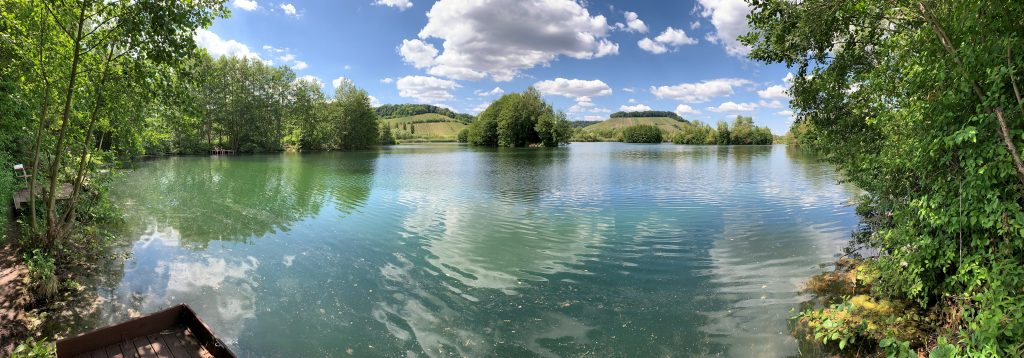
At LSC360, these assignments are led by the Biodiversity & Forest department, headed by Dr Marco Huemann, an environmental scientist and doctor of soil science. For over thirty years, the department has been supporting projects in Luxembourg across all issues relating to nature, soil, biodiversity and environmental procedures.
Increasingly influential regulatory requirements
Changes to the European and national legal framework have significantly strengthened the role of environmental assessments. Strategic Environmental Assessments (SEA), Environmental Impact Assessments (EIA), nature conservation permits and expert assessments relating to species protection are now crucial stages in the planning process.
These procedures enable the potential impacts of a project on protected assets – such as the population, human health, biodiversity, soil, water, climate, landscape or cultural heritage – to be identified at an early stage. Their aim is not to hinder development, but to ensure its long-term viability, regulatory compliance and social acceptability.
In a context where land is limited and conflicts over land use are on the rise, environmental procedures provide a structured framework for analysing issues, comparing alternatives and proposing technically and environmentally sound solutions.
Anticipating environmental and climate risks
Climate change further underscores the importance of these approaches. Adapting to heatwaves, heavy rainfall, changes in the hydrological regime or soil erosion: these are all issues now incorporated into environmental assessments.
By anticipating these risks from the design phase onwards, projects become more resilient and avoid additional costs or the need for late-stage adaptations. Environmental procedures thus help to safeguard investments, whilst contributing to the sustainability of local areas.
Understanding the differences between SEA, EIA and nature permits
Strategic environmental assessment takes place at a very early stage, at the level of plans and programmes, such as general development plans (PAGs). It aims to integrate environmental concerns right from the initial planning guidelines.
The environmental impact assessment, on the other hand, concerns specific projects, such as major infrastructure or urban development projects. It analyses in detail the environmental impacts of a specific project.
An application for authorisation under nature conservation legislation is required whenever a project affects nature, landscapes, habitats or protected species, regardless of whether it is located within or outside the development zone. It enables the necessary prevention, mitigation and compensation measures to be defined, in consultation with the competent authority.
Training to improve project management
To help project developers manage these challenges, Dr Marco Huemann also contributes to training courses offered by the LSC360 Skills Centre. These courses aim to demystify environmental procedures and present them as practical, manageable planning tools.
Participants learn to identify the relevant procedures, estimate associated timelines and costs, anticipate risks, and integrate environmental considerations from the earliest stages of a project. This approach helps to avoid delays, late planning changes or administrative bottlenecks.
The training courses are aimed at engineering and architectural firms as well as public authorities, project developers, investors and local authorities. They foster a shared understanding of regulatory requirements and best practice, which is essential to the success of projects.
A proactive approach to responsible projects
Experience shows that difficulties often arise when environmental procedures are neglected or addressed too late. Conversely, integrating them at an early stage helps to safeguard projects, improve their quality and strengthen their acceptance.
Considering the environment from the outset, incorporating the right expertise, comparing alternatives and engaging with authorities and stakeholders are now essential conditions for responsible development.
At LSC360, environmental procedures are fully integrated into a 360° approach, supporting sustainable projects that are legally sound and in harmony with the regions and practices of tomorrow.
